Overview
End-to-End AI Voice Assistant Solution
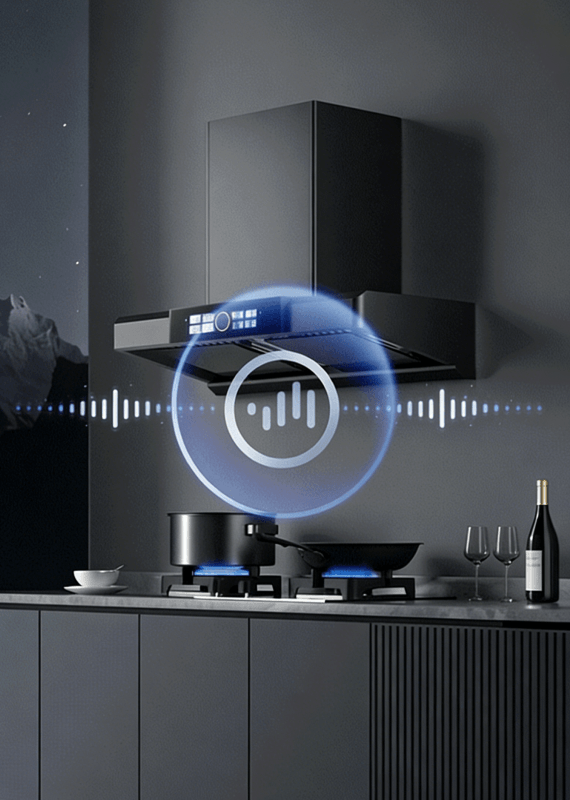
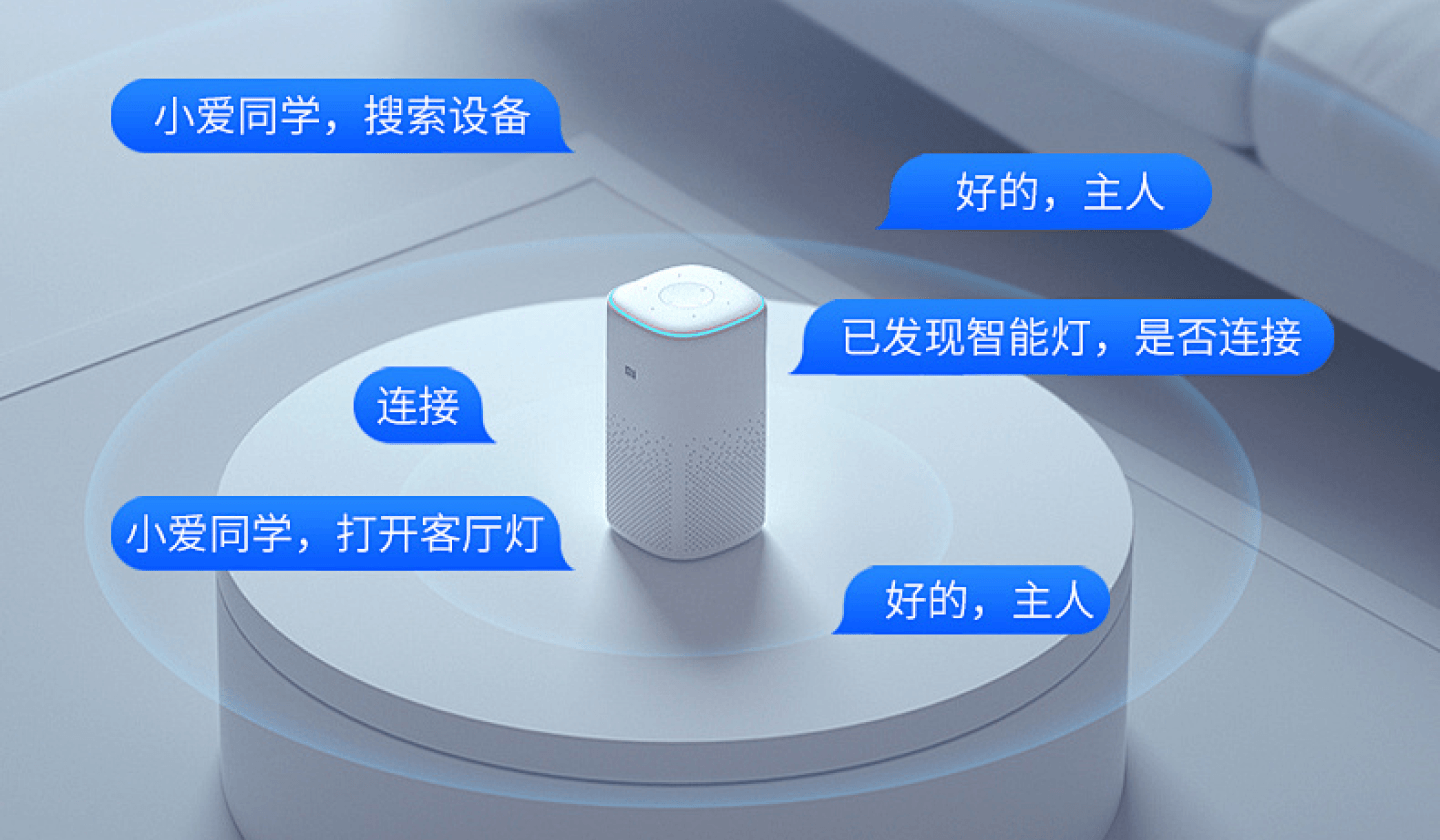
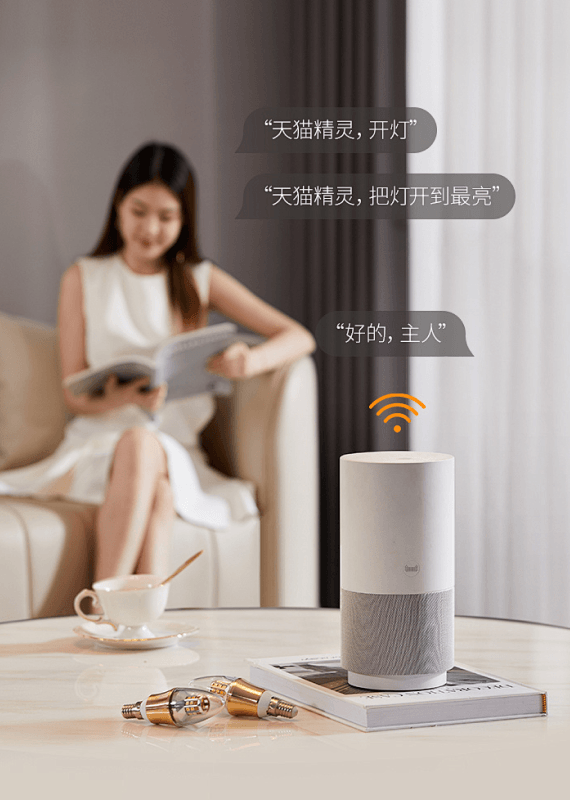
As smart homes, smart offices, and companion devices continue to evolve, voice assistants are becoming a key technology for improving user experience. Traditional cloud-based voice processing suffers from high latency and insufficient privacy protection. FANlun's ESP-SR intelligent voice assistant addresses these issues by integrating advanced wake-word detection with WakeNet, offline voice command recognition with MultiNet, and front-end acoustic algorithms to deliver efficient, secure, and low-latency local voice interaction. The solution supports custom wake words and control commands and continues to function normally even when the network is unavailable, providing users with more reliable service.
Applications
Industry Challenges
Dependence on Network Connectivity
Traditional voice assistants require Internet access and stop working when offline.
Privacy Concerns
Voice data is uploaded to the cloud for processing, creating risk of leakage.
Slow Response
Cloud processing introduces noticeable delay that harms the user experience.
Difficult Customization
Wake words and control commands are hard to adapt flexibly to user-specific requirements.
High Development Complexity
Integrating multiple speech technologies requires specialized teams and high cost.
Our Solution
End-to-End AI Voice Assistant Solution
ESP-SR is designed specifically to solve these pain points and combines several advanced capabilities. Local wake-word detection uses an optimized WakeNet engine and supports up to five custom wake words with high accuracy and low resource usage. Offline voice command recognition relies on the MultiNet engine, allowing users to add or remove custom control commands and bind them to actions without requiring an Internet connection. Front-end acoustic algorithms such as echo cancellation and noise reduction ensure accurate recognition even in noisy environments. A lightweight design keeps memory footprint small and processing fast, making the solution ideal for embedded devices.
Core Capabilities
01Technical Advantages
Lightweight architecture with low memory occupancy and high computing efficiency for resource-constrained embedded systems.
Local-only speech processing for stronger security and reduced risk of data leakage.
Low-latency response that avoids delays introduced by network transmission.
Flexible customization of wake words and control commands to match different user and product needs.
02Key Technologies
Wake-word model with only 15 KB to 24 KB of internal RAM usage and CPU load between 9% and 30%.
Front-end acoustic algorithms including microphone-array processing, acoustic echo cancellation, noise reduction, and voice activity detection.
Customer Value
Improved User Experience
Millisecond-level response ensures smooth interaction even when the network is unstable.
Stronger Privacy Protection
All speech processing is performed locally, safeguarding user data.
Simplified Development Process
A complete SDK and sample code reduce integration difficulty and shorten time to market.
Flexible Custom Services
Wake words and control commands can be freely configured for different application scenarios.