Overview
End-to-End AIoT Solution
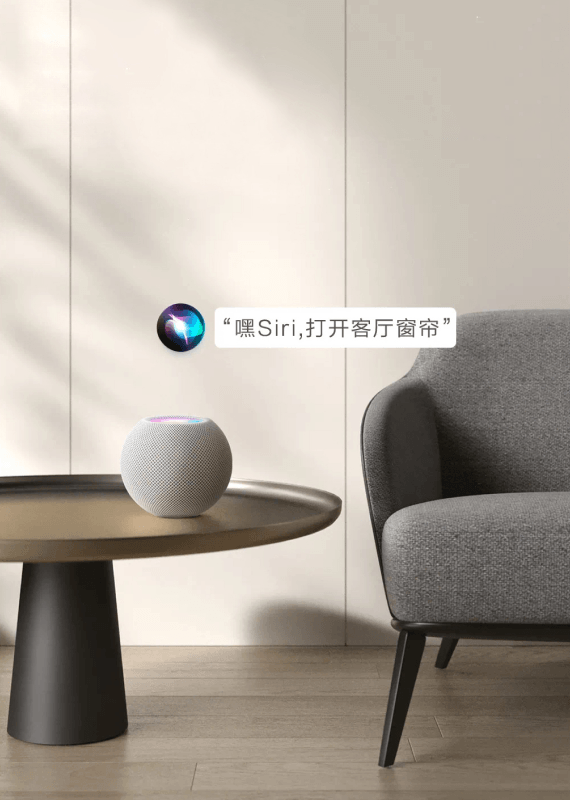
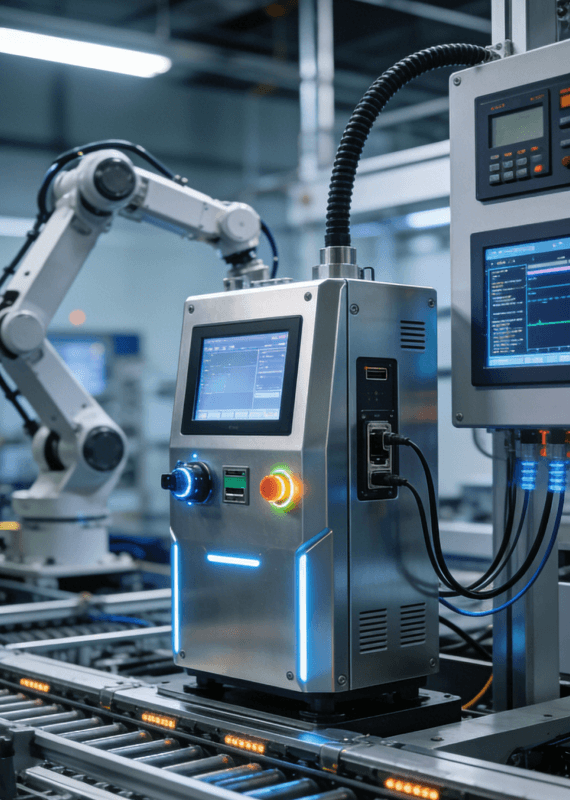
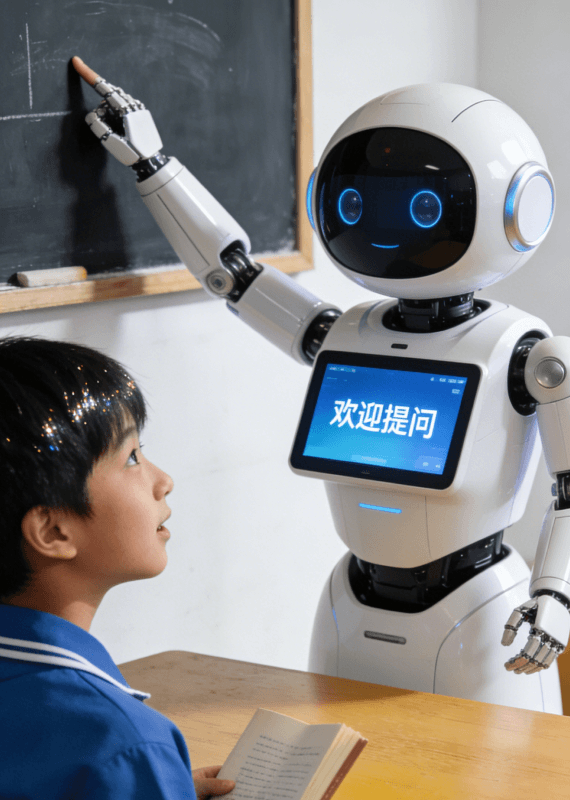
As generative AI continues to accelerate, large language models are becoming the core engine behind AI coding, intelligent customer service, smart office tools, and many other real-world applications. However, these powerful capabilities typically depend on cloud computing resources and are difficult to deploy efficiently on resource-constrained edge devices. Leveraging advanced wireless SoC technology and strong edge-computing optimization, FANlun has partnered with Volcano Engine's Doubao large model to build a truly end-to-end AIoT solution. Through innovative chip architecture and optimized algorithms, we enable high-quality voice interaction and AI conversation on ESP32 series single-chip platforms, allowing intelligent terminal devices to deliver smooth user experiences without depending entirely on heavyweight cloud infrastructure. This brings practical AI capabilities to consumer electronics, smart homes, industrial IoT, and many other domains.
Applications
Industry Challenges
Difficult Edge-Cloud Collaboration
Most edge AI devices are constrained by limited compute and cannot efficiently process large-model requests without stable, high-speed connectivity.
Disjointed Interaction Experience
Traditional voice assistants often respond slowly, with delays above one second, and handle multi-turn conversations poorly.
Power vs. Performance Trade-Off
Turning on AI functions dramatically increases power consumption and can cut the battery life of portable devices by more than 60%.
High Development Barrier
Integrating large models usually requires a specialized AI team, making costs too high for many small and mid-sized manufacturers.
Poor Voice Recognition Quality
In ordinary noisy environments above 50 dB, recognition accuracy can fall below 60%, severely damaging the user experience.
Fragmented Solutions
Hardware, algorithms, and cloud services often come from different vendors, making integration and troubleshooting difficult.
Heavy Cost Pressure
High-quality AI interaction often requires extra co-processors, increasing BOM cost by 30% to 50%.
Our Solution
End-to-End AIoT Solution
FANlun's end-to-end AIoT solution is built around the ESP32 family and deeply integrates Volcano Engine's Doubao large model through a three-layer architecture for efficient edge-cloud collaboration. The edge layer uses ESP32-S3, ESP32-P4, and ESP32-C5 chips with dedicated AI acceleration, supporting local wake-word detection and 3A algorithms including acoustic echo cancellation, noise suppression, and automatic gain control. Wake-up response stays below 300 ms, and recognition accuracy remains above 85% even in 65 dB environments. The network layer optimizes the WebRTC stack to deliver full-duplex conversations with end-to-end latency below 400 ms, while automatic recovery mechanisms preserve service continuity during network interruptions. The cloud layer deeply integrates the Doubao model and uses compression and quantization to adapt a billion-parameter model into a lightweight version suitable for edge invocation while preserving more than 95% of core capabilities. ESP-ADF provides a modular multimedia framework that lets developers plug in required functions with far less complexity. The entire solution runs on a single chip without extra DSP, lowering BOM cost by around 40% while bringing practical, high-value AI capability to smart devices.
Core Capabilities
01Professional Hardware Platform
Multiple SoC options: ESP32-S3 for dual-core 240 MHz AI acceleration, ESP32-P4 for dual-core 400 MHz RISC-V HMI optimization, and ESP32-C5 for Wi-Fi 6 plus multi-protocol connectivity.
Dedicated AI acceleration with built-in NPU resources delivering 256 GOPS for speech recognition and supporting mixed INT8 and FP16 precision.
Rich peripheral interfaces for RGB LCDs, cameras, microphone arrays, touch sensors, and a full range of IoT peripherals.
Ultra-low-power design with an innovative low-power coprocessor, 10 ?A standby current, and 85% lower voice-standby power consumption.
Reliable connectivity through Wi-Fi 6 on ESP32-C5 with a theoretical 1.2 Gbps data rate and anti-interference optimization for 99.9% connection stability.
02Software and Ecosystem Support
ESP-ADF multimedia framework with more than 30 pre-integrated audio and video modules that can run independently and be flexibly combined.
Doubao model SDK that enables the full ASR + LLM + TTS interaction chain in as little as five lines of code.
Integrated 3A algorithm package combining AEC, ANS, and AGC into one solution.
A full toolchain including IDE, debugging tools, and performance analyzers so new developers can build prototypes in about two weeks.
Mass-production support covering design validation, production testing, and compliance certification.
A strong knowledge base with 100 plus sample projects, detailed documentation, and a developer forum with professional responses within 48 hours.
Customer Value
Stronger Product Competitiveness
Advanced AI capability creates clear differentiation and improves overall market acceptance.
Much Shorter Development Cycles
The end-to-end solution reduces development time by about 80% and accelerates launch schedules.
A Major Leap in User Experience
Natural-language interaction replaces traditional button-based workflows and can improve user satisfaction by 40%.
Optimized Cost Structure
A single-chip architecture replaces multi-chip designs and reduces BOM cost by 30% to 40%.
Lower Technical Barrier
No dedicated AI team is required, reducing staffing cost and lowering the threshold for product development.
Expanded Commercial Value
Conversation-based value-added services create new revenue opportunities and improve customer lifetime value.
Stronger High-Tech Brand Image
AI-enabled products elevate premium positioning and improve pricing power.